Appearance
Anthropic GitHub: Open Source Projects and Repositories
Anthropic's GitHub presence — the "anthropics" organization — hosts the company's open source work: research code, developer tools, and projects like Claude Code. For developers, these repositories are both practical tooling and a window into how the company builds. This article covers what Anthropic publishes on GitHub, which projects matter, and how to use them.
Background
- The anthropics GitHub organization hosts a mix of research code (reproducing published findings), developer tools (Claude Code, integrations), and infrastructure. Openness here is deliberate, consistent with Anthropic's transparency positioning, though the company is selective about what it open sources.
- The most visible project is Claude Code — the agentic coding assistant — along with related tooling, plus research repositories that accompany papers on interpretability and alignment. The organization is a regular destination for developers exploring Claude-adjacent tooling.
- The open source strategy sits within a broader industry pattern: frontier labs publish selectively — enough to build developer ecosystems and research credibility, while keeping core models proprietary. Anthropic's choices follow that pattern.
Key facts
| Item | Detail |
|---|---|
| Organization | anthropics on GitHub |
| Flagship repo | Claude Code |
| Content | Research code, tools |
| Purpose | Ecosystem, reproducibility |
| Model weights | Not open sourced |
| License | Varies by project |
| Community | Active developer base |
| Role | Transparency instrument |
Highlights
The flagship: Claude Code
Claude Code is the repository developers seek out: the agentic coding tool that works in the terminal, with setup, configuration, and integration documented in the repo. The image below shows the development context where such tooling gets used:
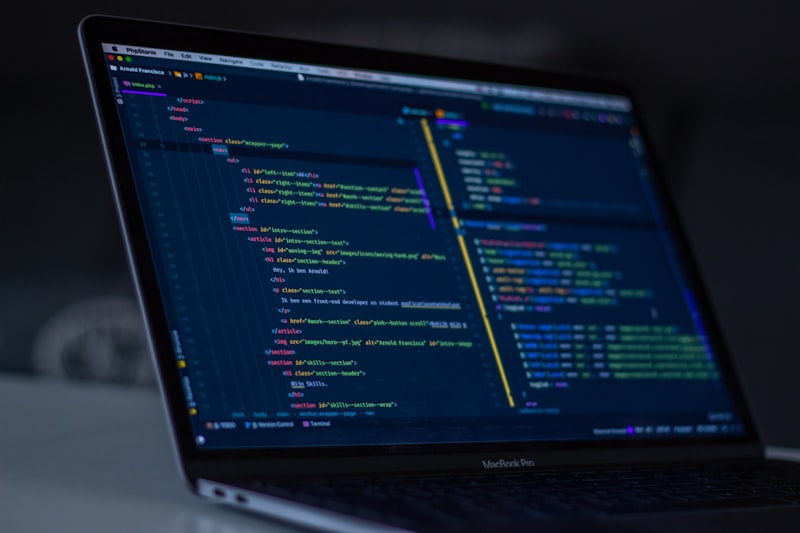
Caption: Anthropic's GitHub hosts the developer tools — Claude Code chief among them — that put Claude to work in real repositories.
Research and tooling repos
Alongside Claude Code, the organization publishes research code for interpretability and alignment findings, plus integrations and utilities. These repositories matter for reproducibility — they let the community verify and build on published work.
What Anthropic does not open source
The models themselves are not open sourced — Anthropic follows the proprietary-model pattern of the other frontier labs. The open source layer is tooling and research, not weights, which is the strategic boundary the company consistently maintains.
Industry positioning & impact
Anthropic's GitHub presence is a strategic asset in the developer ecosystem. The open tooling — especially Claude Code — creates a developer beachhead: engineers who adopt the tool integrate with the Claude ecosystem, and the repository's documentation and issues become a community surface that compounds adoption. The research code reinforces the transparency brand: reproducibility is the academic currency, and publishing it strengthens Anthropic's credibility in safety discourse. The selective-openness strategy also positions the company in the open-source debate: Anthropic argues for openness in research and tooling while keeping models proprietary, a position that satisfies both enterprise buyers (who want reliability) and researchers (who want reproducibility). For the industry, the anthropics organization is one of the reference points for how a frontier lab balances openness and control, and its projects influence developer expectations across the field. As of 2026, watch which projects Anthropic open sources next, how the Claude Code ecosystem grows, and how the open source strategy evolves against competitive pressure. The official repository and documentation are authoritative.
Related reading
For the flagship project, see Claude Code: The Agentic Coding Assistant; for the research the repos accompany, Anthropic Research: Safety, Interpretability, and AI; and for the broader developer stack, Anthropic's Developer Stack: API, Code, and Skills.
References
The authoritative sources are the anthropics organization on GitHub and the Claude Code repository. For research code context, the Anthropic research page links the accompanying papers.
Buying advice & audience
If you are searching "anthropic github", "anthropic open source", or "claude code github", here is the practical guidance. For developers, start with Claude Code if you want the flagship tool, and browse the research repositories if you want to verify or build on Anthropic's published findings — reproducibility is a real benefit of the open code. For researchers, the research repos are primary material: clone, run, and extend. For teams evaluating tooling, check the repositories' documentation, licensing, and maintenance signals before standardizing. For anyone curious about the company's philosophy, the selective-openness pattern — tools and research open, models proprietary — is itself informative. The related articles cover Claude Code, research, and the developer stack; this guide gives you the GitHub map.
FAQ
Does Anthropic have a GitHub?
Yes — Anthropic publishes under the "anthropics" organization on GitHub, hosting developer tools like Claude Code and research code accompanying published papers. It is the company's official open source surface.
What is Anthropic's most popular GitHub project?
Claude Code is the flagship: the agentic coding assistant with active development, documentation, and a large developer community. Research repositories for interpretability and alignment findings are the other major category.
Is Claude open source?
No — the Claude models are proprietary and are not open sourced. Anthropic's open source layer is tooling and research code, not model weights, consistent with the pattern of the other frontier labs.
Can I use Anthropic's GitHub code commercially?
Licensing varies by project — developer tools and research code carry licenses stated in each repository. Check the license file of the specific project before commercial use; the repository is the authoritative source.
Why does Anthropic open source some things but not models?
The strategy balances ecosystem building and transparency with proprietary control: open tooling grows the developer base, open research builds credibility, and keeping models proprietary preserves the commercial moat. It is a deliberate, consistent boundary.