Appearance
The Claude App: Desktop, Mobile, and Web Access
The Claude app is how most people use Anthropic's assistant: a consumer application available on the web, desktop, and mobile, giving access to Claude's writing, analysis, and coding capabilities wherever you work. Launched in 2024 and expanded since, the app is the consumer face of the Claude ecosystem. This article explains the app's platforms, features, and how to get the most from it.
Background
- The Claude app launched in 2024 for iOS and Android, followed by desktop versions, joining the web experience as the primary consumer surfaces. The app brings the full assistant — chat, document analysis, and file handling — to every major platform.
- The app's feature set has grown steadily: project organization, file uploads, long-document analysis, and integration with the same Claude models served through the API. Consumer and developer surfaces converge on the same model family.
- The app strategy matters commercially: mobile and desktop presence turns Claude into a daily utility, not just a website, and the free plan plus subscription tiers convert usage into recurring revenue.
Key facts
| Item | Detail |
|---|---|
| Platforms | Web, iOS, Android, desktop |
| Launched | 2024 |
| Core features | Chat, files, analysis |
| Access | Free, Pro, Max plans |
| Models | Current Claude family |
| Syncing | Across devices |
| Developer link | Same models as API |
| Role | Consumer front door |
Highlights
The platforms
Claude is available where you work: a full web experience, native mobile apps for iOS and Android, and desktop apps for major operating systems. The image below shows the mobile reality of the app:
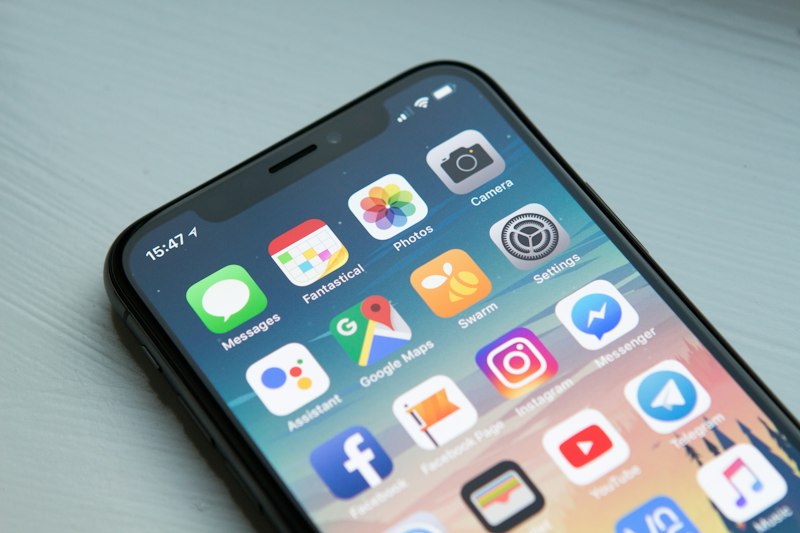
Caption: The Claude app spans web, desktop, and mobile — the assistant is available wherever the work happens.
What the app can do
The app handles the full assistant range: drafting and editing, document upload and analysis, coding help, research, and image-based questions. Features like projects and long-document handling make it a practical work tool, not just a chat surface.
Plans across platforms
The app works across the free, Pro, and Max plans, with usage synced across devices. The plan choice governs limits, not capability — the same models serve every platform, and switching devices continues your sessions.
Industry positioning & impact
The Claude app is Anthropic's consumer front door and a strategic asset in the AI assistant market. Its multi-platform availability positions Claude as a daily utility competing directly with ChatGPT's consumer footprint, and the app's quality — from interface to model behavior — determines whether users trust the brand enough to subscribe. The commercial significance is layered: the app is the conversion surface for the free-to-paid funnel, the retention surface for subscription revenue, and the distribution surface that keeps Claude present in users' daily workflows. For the industry, the consumer app competition defines the visible layer of the AI race: interface quality, platform coverage, and feature cadence are where users experience the rivalry between Claude, ChatGPT, and Gemini. The app's growth also feeds the ecosystem: consumer usage generates the feedback and brand trust that support enterprise adoption. As of 2026, watch how the app's feature set expands, how platform coverage evolves, and how the consumer experience differentiates Claude in the crowded assistant market. Official app listings and the Anthropic website are authoritative.
Related reading
For the product in full, see Anthropic Claude: The Complete Guide; for the plans the app runs on, Claude Pro and Max Plans: Pricing and Value; and for the developer surface, Anthropic API: Getting Started Guide.
References
The authoritative sources are the Claude product page and the Anthropic website. App downloads and feature lists are documented in the official app listings and the Anthropic newsroom.
Buying advice & audience
If you are searching "claude app", "claude desktop app", or "claude mobile app", here is the practical guide. Download the app for the platforms you actually use — web for desktop work, mobile for on-the-go, and the desktop app for a native experience — and start on the free plan to evaluate quality. The app syncs usage across devices, so your plan and sessions follow you. For users whose work spans devices, the app's continuity is the feature that matters: start a document analysis on desktop and continue on mobile. For heavy users, the plan choice governs limits across all platforms — if free limits bind your work, Pro or Max applies everywhere. For developers, remember the app and the API share the same models, so the app is a valid evaluation surface before building on the API. The related articles cover the product, the plans, and the API; this guide gives you the app map.
FAQ
Where can I use the Claude app?
Claude is available on the web, as native mobile apps for iOS and Android, and as desktop apps for major operating systems. The same account and plan work across all platforms, with usage synced between devices.
Is the Claude app free?
Yes — the app runs on the free plan with daily limits, and also supports the paid Pro and Max plans. The free tier gives full access to Claude's capabilities within the limits; upgrading raises the allowances across all platforms.
What can the Claude app do?
The app handles the full assistant range: writing and editing, document upload and long-document analysis, coding help, research, and image-based questions. Features like projects and cross-device continuity make it a practical daily work tool.
Is the desktop app different from the web?
The desktop app provides a native experience with the same models and features as the web, often with conveniences like better file handling and windowing. Underneath, both serve the same Claude; the difference is interface, not capability.
How do I choose between the app and the API?
Use the app for personal and interactive work — it is the ready-made assistant. Use the API when you need to build Claude into your own applications, automation, or products. Both access the same models; the choice is between using Claude and building with Claude.