Appearance
Dating With HSV: Disclosure, Support, and Community
Dating with HSV (herpes simplex virus) is far more common than the silence around it suggests — an estimated one in six adults has HSV-2, and most of the population carries some form of HSV-1. In 2026 the stigma is shrinking, the tools are better, and the path is clear: disclosure done well, partners informed honestly, and communities that make the experience manageable. This guide covers the practical reality of dating with HSV, from disclosure scripts to dedicated platforms and the research on transmission risk.
Background
- The medical reality is the foundation: HSV is extremely common, manageable with medication, and transmissible mainly during active outbreaks or viral shedding, which suppression therapy significantly reduces — the actual risk profile is far better than the stigma suggests.
- The dating infrastructure exists: PositiveSingles, running since 1999, is the best-known HSV/STD dating community, and disclosure-focused apps plus mainstream apps used honestly give daters multiple channels.
- The emotional journey is the real work: disclosure anxiety, fear of rejection, and internalized stigma are the barriers — and the evidence is consistent that most honest disclosures are met with acceptance, especially when delivered calmly and factually.
Key facts
| Item | Detail |
|---|---|
| How common | Most adults carry HSV-1; roughly 1 in 6 has HSV-2 |
| Dedicated site | PositiveSingles (since 1999) |
| Transmission | Reduced by suppressive therapy and condoms |
| Disclosure | Calm, factual, early-ish, confident |
| Typical response | Most disclosures are met with acceptance |
| Stigma trend | Declining with better education |
| Support | Forums, communities, and counseling |
Highlights
The disclosure that works
The effective disclosure is calm, factual, and confident: "I have HSV. It's common, manageable, and with my treatment the transmission risk is low. I wanted you to know before we went further — ask me anything." Delivered as information rather than an apology, it dramatically improves the response. The image below shows the kind of honest, low-pressure conversation setting where disclosure happens well:
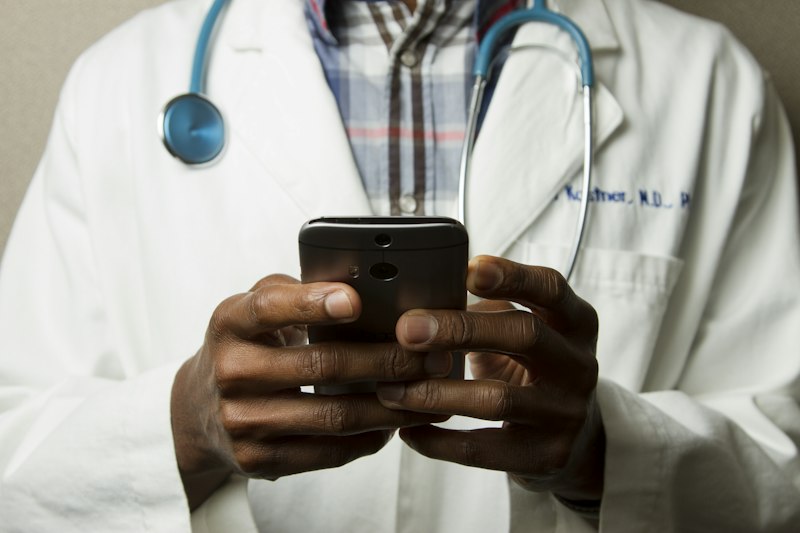
Caption: Disclosure goes best in a calm, private, unhurried moment — delivered as information, not as an apology.
The risk facts that reduce fear
Suppressive antiviral therapy cuts transmission risk substantially, condoms add protection, and the risk outside active outbreaks is low. These facts matter because most disclosure anxiety comes from overestimating risk. Knowing the actual numbers — and being able to state them calmly — is both a safety practice and a confidence tool.
The community advantage
Dedicated communities like PositiveSingles remove the disclosure tax entirely: everyone there already knows, and the conversations focus on compatibility rather than explanation. Many daters use a dedicated platform alongside a mainstream app, disclosing on the mainstream side and dating freely on the dedicated side.
Industry positioning & impact
The HSV-dating niche demonstrates how a stigmatized condition builds its own economy: PositiveSingles has operated for over two decades with paid memberships, forums, and events, proving that niche dating communities can be durable and profitable while providing genuine social value. The broader industry response has been slower — mainstream apps generally do not ask about STI status, which keeps disclosure conversations in the chat rather than the profile. The medical and public-health communities have pushed back on stigma with accurate risk information, and the trend is measurable: more open conversation, more education, and less shame. For daters, the practical implication is that the tools exist — dedicated platforms, accurate information, and supportive communities — and that disclosure, handled well, is far less costly than the fear of it. The authoritative sources are the medical guidance and the platforms' own documentation, and the related articles below cover the adjacent communication skills.
Related reading
For the communication skills that make disclosure easier, see Dating Advice and Tips That Actually Work; for the values-first approach that shapes how you handle sensitive topics, Dating With Intention: From Casual to Relationship; and for the broader community of daters navigating health disclosure, Dating With Disabilities: Guide, Apps, and Resources.
References
For the medical facts on HSV transmission and suppression therapy, the CDC's herpes fact sheet is the authoritative source. For the dedicated dating community, PositiveSingles has operated since 1999, and Planned Parenthood's HSV information provides accessible clinical guidance.
Buying advice & audience
If you are searching "dating with HSV", "how to tell someone you have herpes", or "HSV dating sites", the starting point is information and timing: know your risk facts, decide your disclosure timing, and choose channels that fit your comfort. PositiveSingles is the established dedicated community — free to browse, paid for full messaging — and it is worth starting free to see the community before subscribing. On mainstream apps, the common approaches are disclosing in early conversation (before meeting) or on the first date; the research and community consensus favor before things get physical, delivered calmly. Practical tips: state the facts, offer the risk-reduction steps you take, answer questions without defensiveness, and give the person space to process. If a disclosure is rejected, treat it as their filter, not your worth — the data shows acceptance is the more common outcome. Forums on the dedicated platforms and counseling for stigma-related anxiety are real resources. The related reading covers the communication skills that make the whole process easier.
FAQ
How common is it to date someone with HSV?
Very common — most adults carry HSV-1, and roughly one in six adults has HSV-2, so the likelihood that someone you date has some form of HSV is high even when nobody mentions it. The stigma is far larger than the medical reality, and acceptance is the most common response to honest disclosure.
How do I tell someone I have HSV?
Deliver it calmly, factually, and confidently — state what you have, that it is common and manageable, what you do to reduce risk, and invite questions. Timing: before things get physical, usually in early conversation or on the first date. The delivery matters more than the timing: information, not apology.
What is the best dating site for HSV?
PositiveSingles is the best-known and longest-running HSV/STD dating community, with membership since 1999, forums, and events. Many daters use it alongside a mainstream app, disclosing on the mainstream side and dating freely within the dedicated community.
How much risk is there of transmitting HSV?
The risk is substantially lower than most people fear: suppressive antiviral therapy cuts transmission risk significantly, condoms add further protection, and the risk outside active outbreaks and shedding periods is low. Your healthcare provider can give you the precise picture for your situation.
How do I handle rejection after disclosure?
Treat rejection as their filter working, not a verdict on your worth. The evidence shows acceptance is the common outcome of honest disclosure, and a rejection usually reflects their risk tolerance or comfort level, not who you are. The dedicated communities and counseling can help you reset your confidence and keep dating.