Appearance
The Best Dating Apps in 2026: A Complete Guide
In 2026 the dating app market is more crowded and more specialized than ever, with Tinder, Bumble, Hinge, Match, and a wave of niche apps competing for the same attention. Industry trackers estimate that online dating now generates well over ten billion dollars a year globally, and roughly three in ten American adults have used a dating app at least once. This guide compares the leading apps by audience, pricing, and feature set, so you can pick the right one for your goals instead of swiping blindly.
Background
- The big three — Tinder, Bumble, and Hinge — still dominate downloads, but their strategies have diverged: Tinder pushes scale and speed, Hinge markets itself as the relationship app "designed to be deleted," and Bumble has repositioned around intentional, women-first connections.
- Niche apps keep chipping away at the giants. Apps built around religion, age, disability, location, and even shared hobbies now cover almost every dating goal, which makes "which dating app is the best" a question with no single answer.
- Artificial intelligence became the industry's biggest talking point in 2025 and 2026, with apps rolling out AI photo selection, AI icebreakers, and AI-powered anti-scam screening. The trade-off between convenience and trust is reshaping how users evaluate every app on this list.
Key facts
| Item | Detail |
|---|---|
| Market leader | Tinder, owned by Match Group, largest user base globally |
| Fastest growing | Hinge, strongest reputation for relationships |
| Women-first | Bumble, women message first in mixed-gender matches |
| Free tiers | All major apps usable free; premium from about $15–$40/month |
| AI features | Photo selection, icebreakers, scam detection rolling out across apps |
| Serious dating | Match, eHarmony, and Hinge attract long-term seekers |
| Regional | Chispa (Latino), Pairs (Japan), BLK (Black community) |
Highlights
The Tinder, Bumble, Hinge split
The practical takeaway: your app choice is a strategy choice. Tinder gives you the largest pool and the most casual energy, Bumble gives you control over who messages first, and Hinge gives you profile depth designed to convert matches into dates. Most people serious about dating end up running two of the three at once, with separate profile angles for each. The image below shows how these apps fit into a typical phone-first dating workflow:
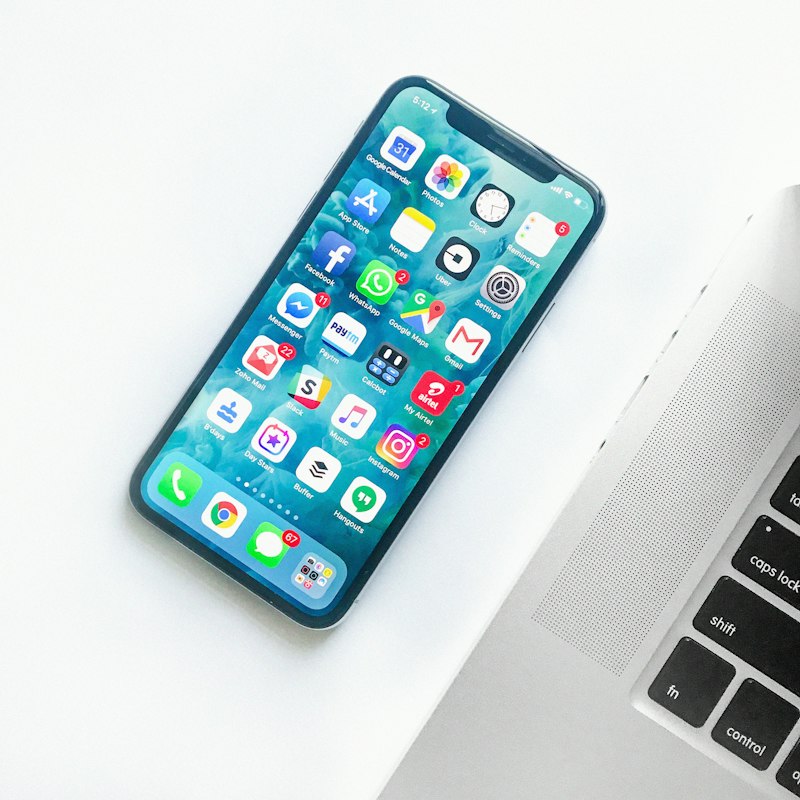
Caption: The smartphone is the center of modern dating — most matches, messages, and first-date logistics now happen in apps.
AI is the 2026 differentiator
Every major app now ships some form of AI assistance, but the quality varies. Hinge and Bumble use AI mainly to suggest conversation starters and profile improvements, while Tinder has leaned into AI photo selection and an AI-powered "reflection" tool. The risk: AI-optimized profiles can look samey, and users report that authenticity still outperforms polish. Treat AI as an editor, not a ghostwriter.
Niche apps cover the gaps
If the big three feel like a dragnet, specialized apps offer precision: SilverSingles and OurTime for the 50-plus crowd, Christian Mingle and Upward for faith-based dating, Hiki for autistic daters, and PositiveSingles for people living with HSV. Matching intent beats matching volume when your needs are specific.
Industry positioning & impact
The industry split into two camps in 2026: scale players who monetize attention (Tinder, Badoo) and intent players who monetize outcomes (Hinge, eHarmony). Match Group still owns the largest share of the market through Tinder, Hinge, and Match, while Bumble Inc. pushes its namesake app plus Badoo in Europe and Latin America. Subscription fatigue is the industry's biggest threat — surveys consistently show that most users pay for one app at a time and churn quickly. Watch for two trends this year: AI-driven matchmaking that goes beyond surface preferences, and a renewed push for in-person events as apps try to earn trust back. For the official word on any app's features and pricing, the company's own site remains the authoritative source.
Related reading
For a price-focused view of the same landscape, see Best Free Dating Apps in 2026; if you are weighing paid tiers against the free experience, Are Dating Apps Worth It in 2026 breaks down the trade-offs; and for a browser-and-website alternative to app-first dating, see Best Dating Sites in 2026.
References
Official feature and pricing pages are the most reliable source: Tinder, Hinge, and Bumble. For market context and usage statistics, the Pew Research Center online dating fact sheet is the standard reference, and Match Group's investor pages document the commercial side of the industry.
Buying advice & audience
If you are searching "best dating app 2026", "dating apps 2025", "tinder dating apps", "datingapp", or "which dating app is the best", match the app to your goal rather than the hype. Casually exploring: start with Tinder or Bumble free tiers. Dating with intention and looking for a relationship: Hinge or Match justify their subscription prices because they reward complete profiles. Over 50: skip the general apps first and try SilverSingles or OurTime, where the age filter is the product. The most common mistake in 2026 is paying for two or three overlapping subscriptions — pick one primary app, run it well for a month, and reassess. Most apps offer a one-week trial or a discounted first month, so test before committing to annual plans. Search interest in "dating apps 2026" and "best dating apps for men" continues to rise, and this article gives you the landscape; the detailed comparisons in the related reading cover the specifics.
FAQ
Which dating app is the best in 2026?
There is no universal winner — it depends on your goal and location. For casual dating and the largest pool, Tinder leads. For serious relationships, Hinge and Match consistently outperform in user surveys. For women who want control over the first message, Bumble is the default. The best approach is to run one scale app and one intent app simultaneously for two weeks, then keep whichever produces better conversations.
Are dating apps free to use?
All major apps are free to download and use at a basic level: you can build a profile, swipe, and message matches. Premium tiers add visibility, unlimited likes, and advanced filters, typically priced between $15 and $40 per month. Free users still get meaningful results, though matching volume is lower.
How much do dating apps cost?
Tinder, Bumble, and Hinge premium plans range from roughly $15 to $40 per month depending on subscription length and tier, with annual plans working out cheaper per month. Match and eHarmony sit at the higher end because they include personality-based matching. Prices change often, so check the official pricing page before subscribing.
Which app is best for serious relationships?
Hinge is the strongest default for relationships because its profile design and matching logic favor depth over volume. Match has a larger, older user base, and eHarmony's compatibility questionnaire suits people who want structure. All three are owned by Match Group, and all three reward complete profiles with better results.
How do I choose between Tinder, Bumble, and Hinge?
Ask what you want faster: matches or conversations. Tinder maximizes matches with its huge pool, Bumble gives women the first-move control that reduces low-effort messages, and Hinge maximizes the chance that a match turns into a date. Many daters keep Hinge as their "serious" app and one of the other two as their "casual" app.