iPhone 18 Foldable Ultra Launch: Apple's First Folding iPhone Explained
If you are tracking the 2026 smartphone market, Apple's September 9 "Surprise and Shine" event is impossible to ignore: the first foldable iPhone is finally here, the A20 Pro 2nm chip debuts, and iOS 27 brings a full overhaul. This post is both a quick spec sheet for the iPhone 18 lineup and a buying guide—use the table and key points below to decide whether this foldable is worth your money.
Launch Context
- Historic milestone: Apple finally enters the foldable arena with a book-style inward fold, offering a ~7.8-inch display that rivals the iPad mini when opened.
- Performance leap: The A20 Pro uses TSMC's 2nm process, delivering roughly 18% more performance and 30% better efficiency, paired with 12GB of RAM for Apple Intelligence.
- Premium pricing: Starting at approximately $2,099 (around 14,085 RMB), it becomes the most expensive iPhone ever, targeting the ultra-premium segment.
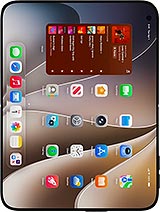
Render of Apple's first foldable iPhone Ultra, ~7.8 inches when unfolded, close to the iPad mini experience.
Key Facts
Here is a side-by-side comparison of the three models:
| Spec | iPhone Ultra | iPhone 18 Pro | iPhone 18 Pro Max |
|---|---|---|---|
| Chip | A20 Pro (2nm, WMCM, 12GB LPDDR5) | same | same |
| Cover display | 5.5" OLED (folded) | 6.3" OLED | 6.9" OLED |
| Inner display | 7.8" OLED (unfolded) | — | — |
| Camera | Dual (main + ultrawide) | Triple (variable aperture) | Triple (variable aperture) |
| Battery | ~3500mAh | ~4400mAh | ~4700mAh |
| Starting price | ~$2,099 | ~$1,099 | ~$1,199 |
| OS | iOS 27 | iOS 27 | iOS 27 |
Every model gets the A20 Pro, using a 2nm process and WMCM packaging that integrates RAM onto the same wafer as the CPU and GPU. The Ultra unfolds to a ~7.8-inch inner OLED with an iPad mini-style landscape layout and dual-app split-screen support. The Ultra starts around $2,099 with constrained launch supply, while the Pro series pricing stays flat year-over-year.
Key Highlights
Apple invested heavily in foldable engineering, with three areas standing out:
- Liquid metal hinge: A liquid metal alloy hinge balances durability and crease management, with Apple claiming 200,000 fold-cycle testing.
- Optically clear adhesive: A special optically clear adhesive layer between panels keeps the crease less visible over long-term use.
- Side Touch ID: Because the folded body is extremely thin (roughly 4.5mm per side), Face ID is replaced by side-mounted Touch ID.
These details show Apple did not simply copy Android foldables—it redefined the folding experience from materials, interaction, and system levels.
Buying Advice
- [ ] Confirm budget: iPhone Ultra starts around $2,099; evaluate whether you need max storage
- [ ] Check supply: Foldable production is limited at launch; expect longer shipping times
- [ ] Verify carrier bands: Regional variants support different 5G frequency bands
- [ ] Assess use case: A 7.8-inch inner screen is great for multitasking but less convenient one-handed
- [ ] Review warranty: Foldable repairs are expensive; AppleCare+ is strongly recommended
- [ ] Compare alternatives: Samsung's Galaxy Z Fold 8 is already available, cheaper, and has a mature ecosystem
Industry Positioning and Impact
The iPhone Ultra launch marks Apple's official entry into the foldable era, with the A20 Pro chip and iOS 27 delivering a unique hardware-software combination. The $2,099 starting price is steep, but for users who want cutting-edge technology, the appeal remains strong. Given constrained supply, a rational assessment of your needs is advisable before committing. For the foldable segment, Apple's entry should accelerate supply-chain maturity and price erosion while applying direct competitive pressure on incumbents like Samsung and Xiaomi.
Related Reading
For the Android counterpart, see our Xiaomi 18 Fold launch analysis to track foldable progress and pricing on the competing platform.
References
MacRumors' iPhone Ultra guide and PhoneArena's spec database provide comprehensive hardware parameters and long-term review data.